Arrives in America
Wilson emigrates from Scotland and begins work as a tutor at the College of Philadelphia.

James Wilson · 1742–1798
Lawyer. Constitutional thinker. Signer. Justice. James Wilson moved from Scotland to Pennsylvania and became one of the most consequential legal minds of the American founding.
About James Wilson
Born near St Andrews, Scotland, in 1742, Wilson studied at St Andrews, Glasgow and Edinburgh before emigrating to America in 1765. He became a lawyer, political writer and Pennsylvania leader, then entered the Continental Congress.
He signed the Declaration of Independence, helped shape the Constitution at Philadelphia in 1787, and in 1789 became one of the first six justices appointed to the United States Supreme Court.
The identity and biography presented here refer specifically to James Wilson (1742–1798), the Pennsylvania delegate and jurist—not the many other people who share his name.
A life in documents & portraits
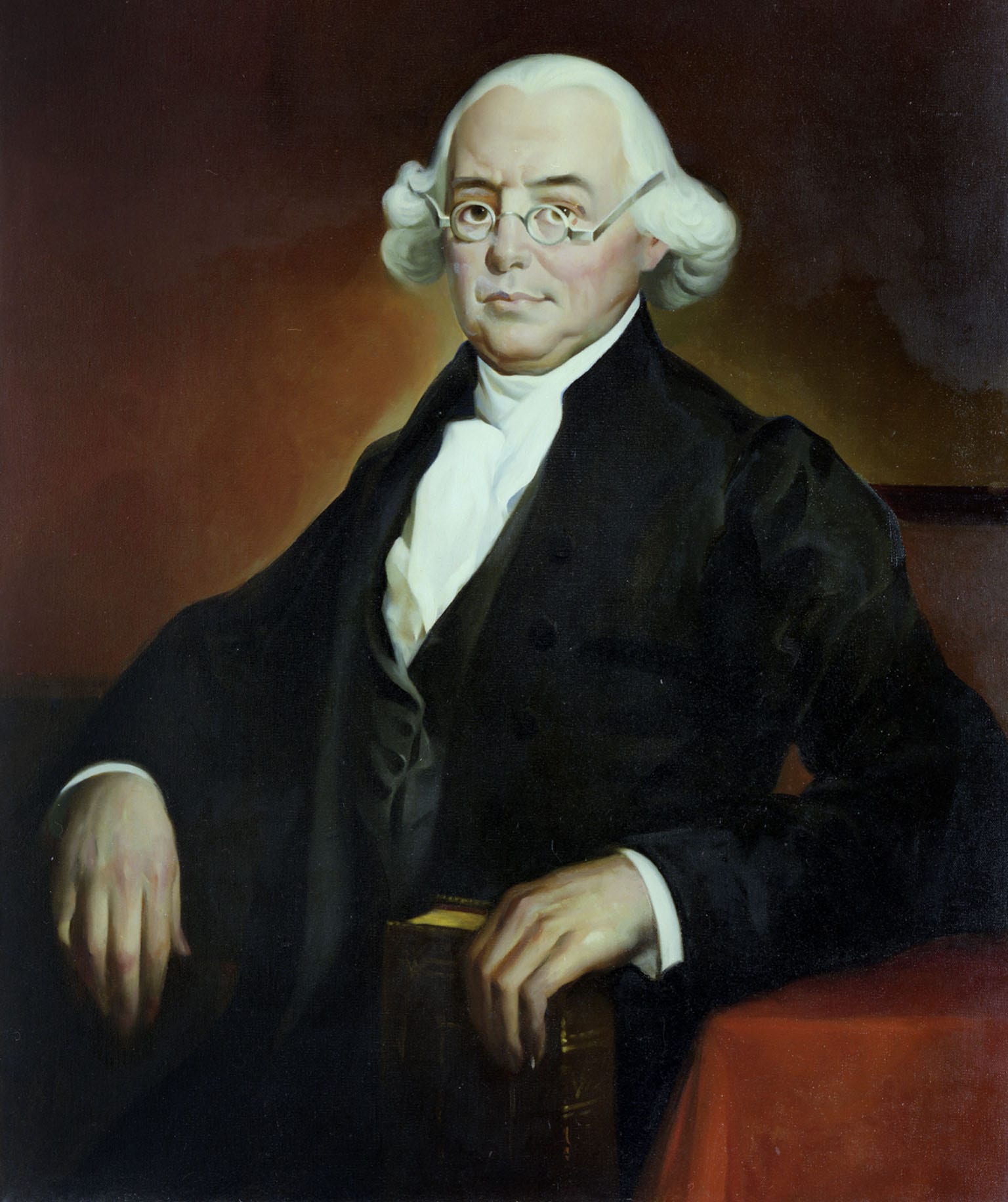
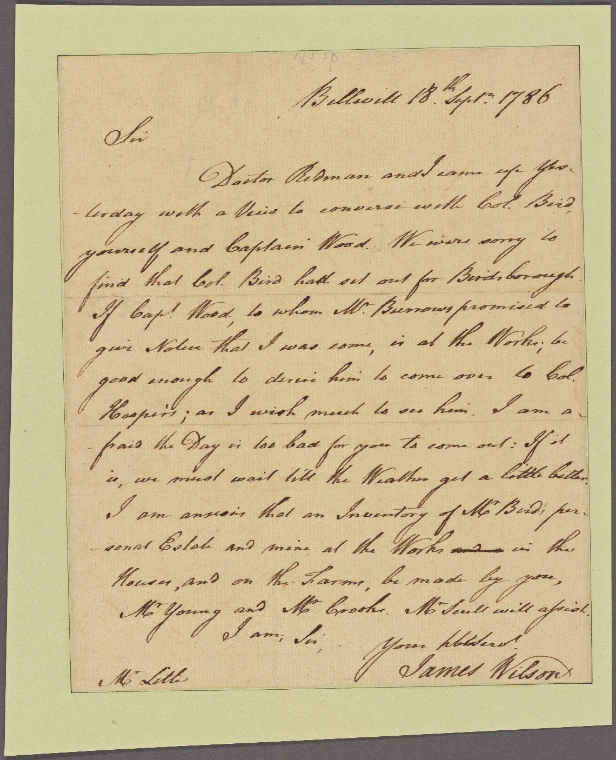
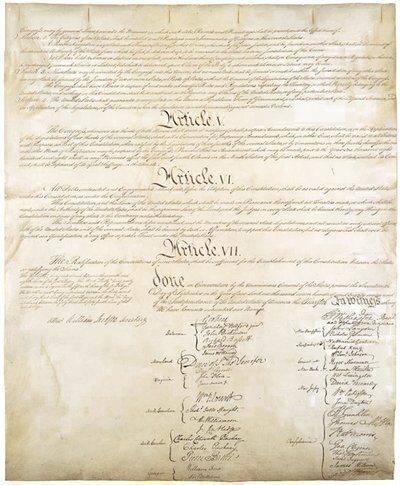
Public-domain and institutional images give the story a physical texture: portraits, places, documents and the political world Wilson inhabited.


The founding years
Wilson's influence was built through argument, drafting and political persuasion—not simply through titles.
Wilson emigrates from Scotland and begins work as a tutor at the College of Philadelphia.
After studying under John Dickinson, he is admitted to the bar and establishes a legal practice.
His Considerations on the Nature and Extent of the Legislative Authority of the British Parliament establishes him as an influential political thinker.
Wilson votes for independence and signs the Declaration of Independence as a delegate from Pennsylvania.
As a member of the Committee of Detail, Wilson plays a central role in turning convention resolutions into constitutional text.
George Washington nominates Wilson as an Associate Justice of the new United States Supreme Court.
 1776 · Philadelphia
The Declaration
The Library of Congress identifies Wilson among the figures depicted in the Congress voting the Declaration engraving. He was one of Pennsylvania's delegates and ultimately signed the Declaration.
“All power is derived from the people.”
This phrase captures a central theme in Wilson's political thought and is quoted by the University of Pennsylvania in its biography of him.
Law & constitutional thought
Wilson was not only a participant in the founding; he was also one of the earliest American professors of law. He lectured at the College of Philadelphia and helped establish a tradition of systematic legal education.
Places of his legacy
Wilson was born at Carskerdo, near St Andrews, and received his early education in Scotland.
The city became the centre of Wilson's legal, political and academic life, and his home from 1778.
Wilson's remains were reinterred at Christ Church Burial Ground in Philadelphia in 1906.
Research note
The story of James Wilson
Explore the sources, read the documents and keep following the argument that helped shape the American founding.
View the research trail →